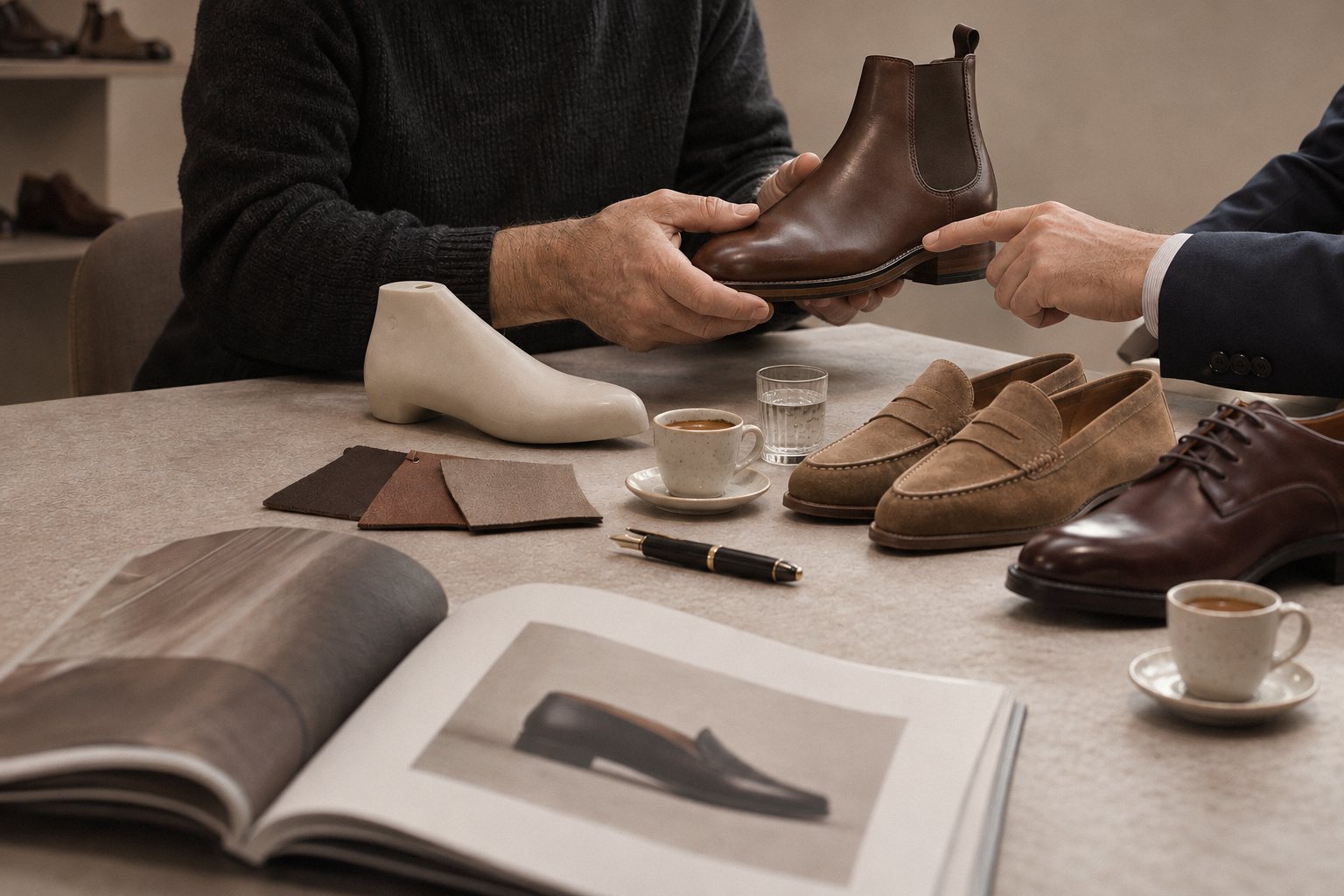
A craftsman reviewing a sample boot with a brand partner at the showroom table Capabilities · Product Development

Every shoe takes shape where a design idea meets material, last and construction.

At ETOR, product development is an end-to-end process: from assessing the technical requirements of a design to building the prototype and taking it into bulk production.

Across our own collections and our work for leading brands in Turkiye and worldwide, we combine shoemaking know-how built over decades with a modern manufacturing infrastructure.

6,000 m²
Integrated manufacturing facility
100%
Produced in our own facility
150+
Employees
2,000
Daily capacity (pairs)
81
Countries exported to since 1988
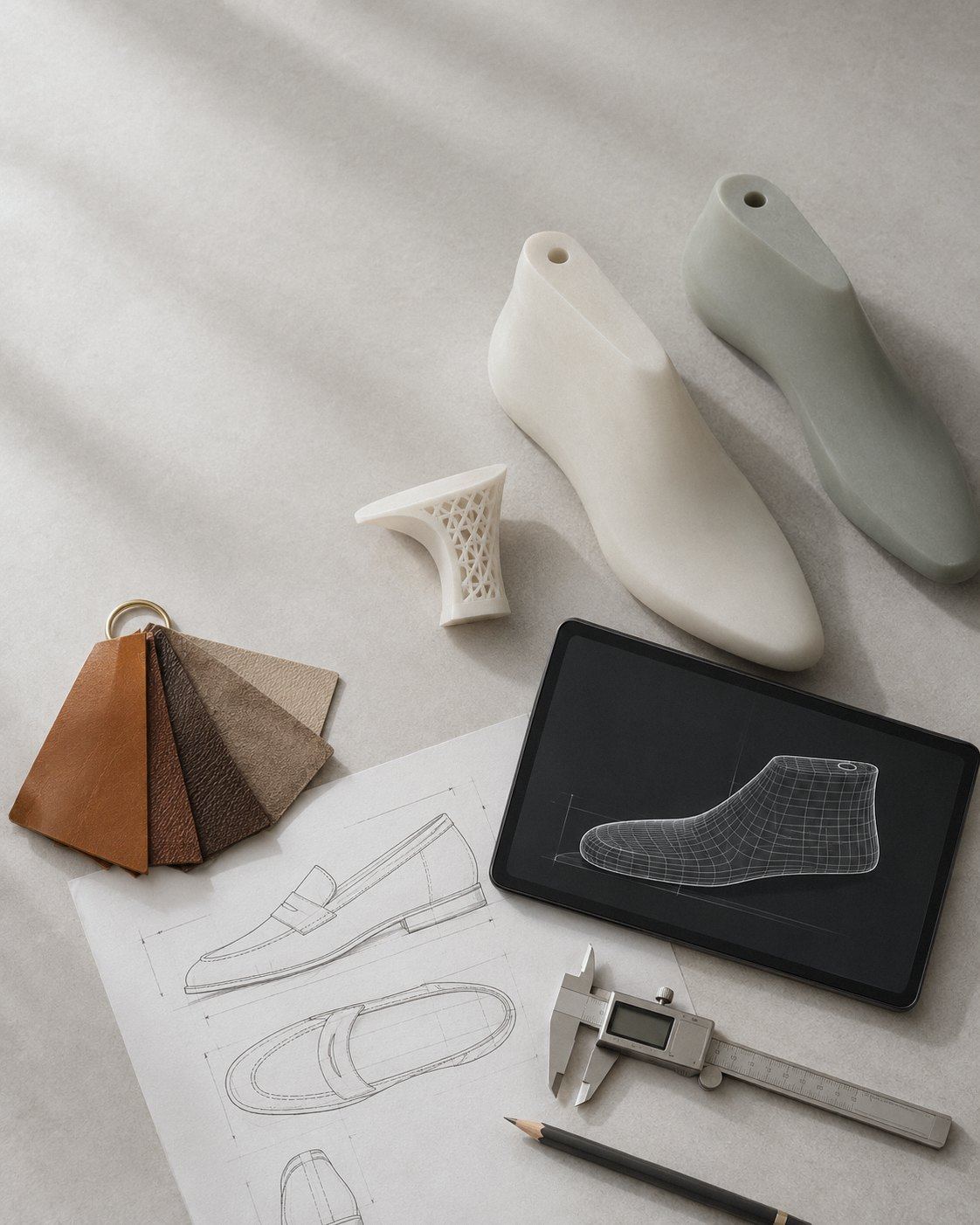
Plastic lasts, a 3D-printed heel prototype, a technical drawing, a digital last model on a tablet and leather swatches
Technical drawing, digital last and material selection

01 — The starting point

For every model, the right questions come first.

A project can begin with a sketch, a technical drawing, a reference pair or simply a design idea. First, we work with our partner to define the model's target wearer, its intended use and the market it is destined for.

This assessment forms the basis for every decision on the last, materials, sole construction and construction method. Manufacturing expertise built since 1988, an experienced technical team and methods proven in our own collections every season ensure those decisions rest on solid ground.

Our aim is to preserve the character of the design and deliver the same quality from the first pair of a bulk production run to the last.

02 — Collaboration

Two ways of working, one standard of quality.

Our partnerships start from one of two points, depending on the nature of the project. The most suitable route is agreed with our partner at the first meeting.

i.

Adapted from ETOR collections
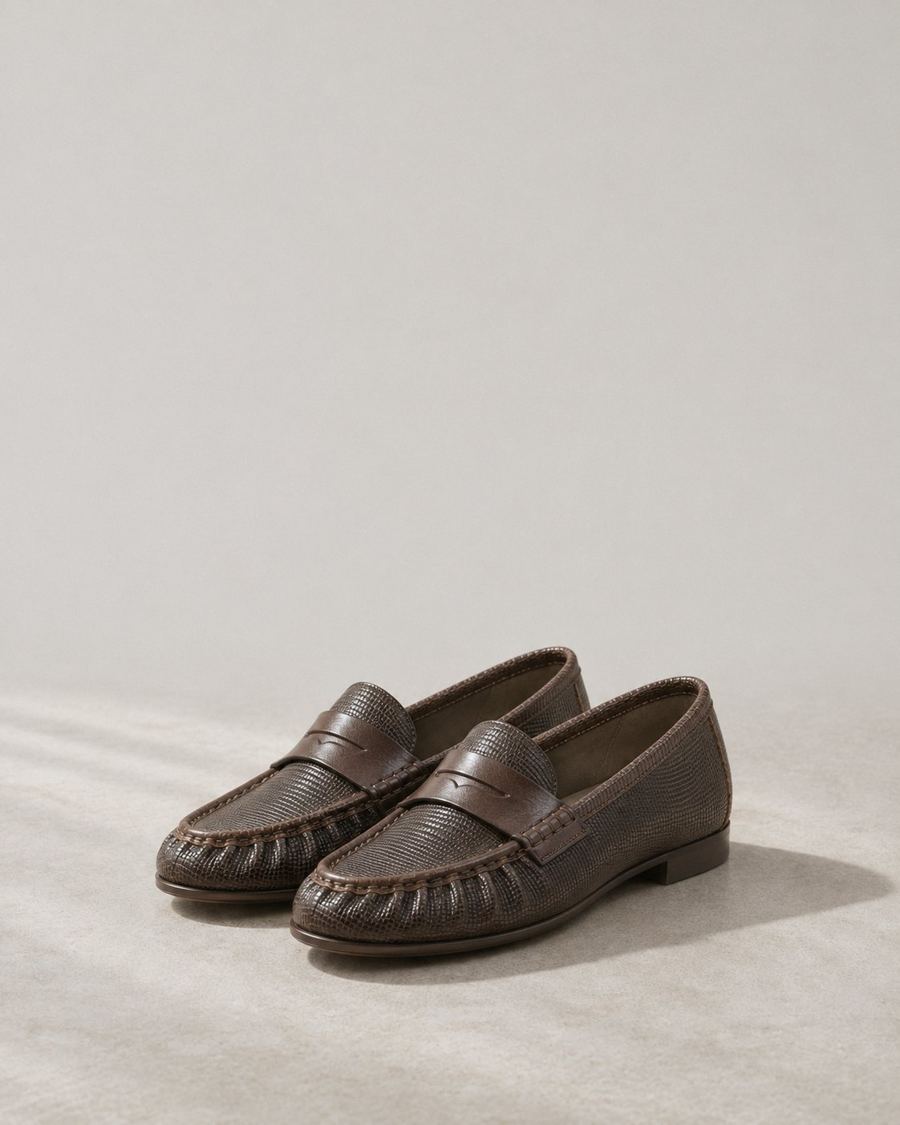
A brown embossed leather loafer from the ETOR collectionStarting point · ETOR model
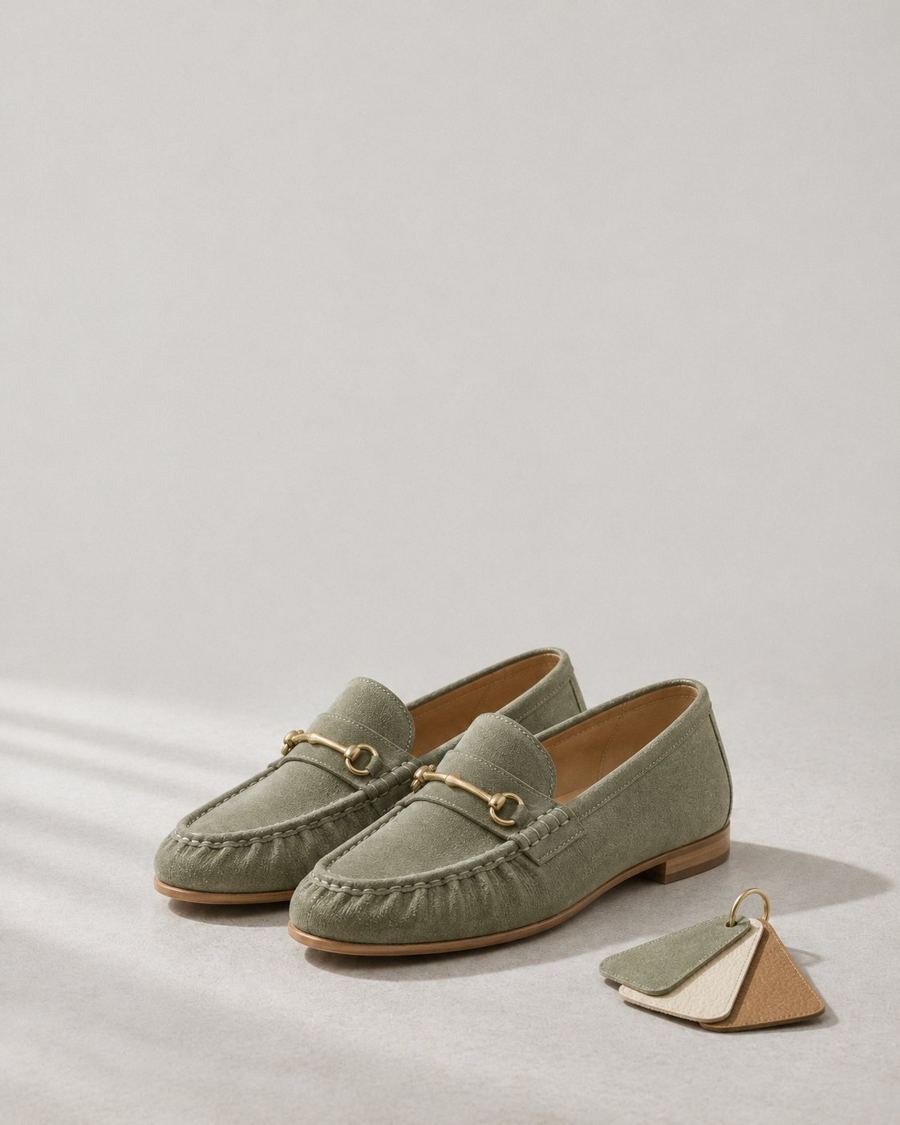
The same loafer, reinterpreted for the brand in sage-green suede with metal hardwareResult · A brand-specific interpretation
Process flow
  1. ETOR model
  2. Material & detail adaptation
  3. Sample
  4. Bulk production

With the last already in place, development moves straight to tailoring materials and detailing to the brand. Stages marked in orange are carried out specifically for the brand.

We build on lasts and models already proven in production, re-engineering leather, colourway, sole unit, trims and branding around the brand's identity while retaining a technical foundation validated in bulk.

Starting point
An existing ETOR model
Last
Ready and production-proven
Best suited to
Seasonal collections on tight timelines; entry into a new product category
ii.

Brand-specific development

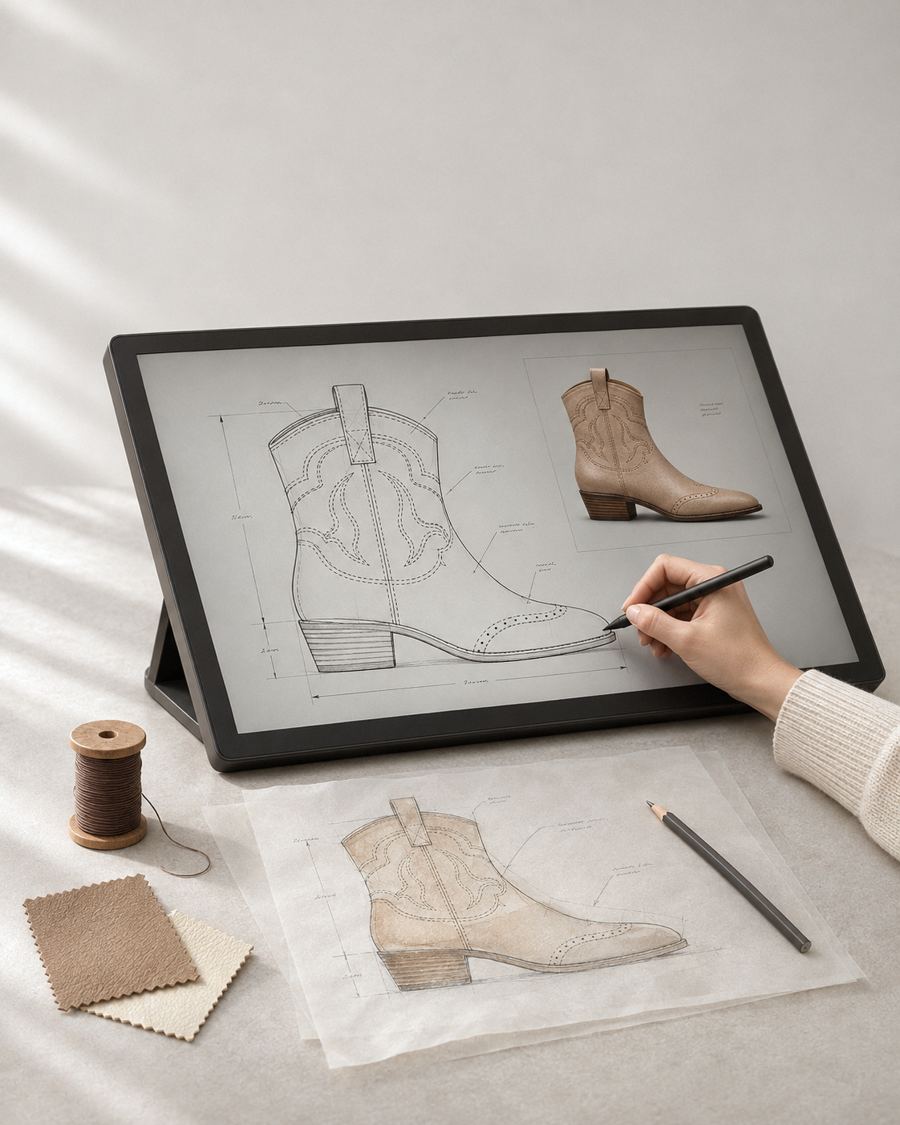
Technical drawing and 3D preview of an ankle boot with decorative stitching on a pen display, beside the paper sketchStarting point · The brand's sketch
The finished ankle boot with decorative stitching, developed from the sketch, beside its new lastResult · A new last and model
Process flow
  1. The brand's design
  2. Last development
  3. Prototype
  4. Sample
  5. Bulk production

The addition of last development and prototyping makes this a more extensive route than an adaptation. Stages marked in orange are carried out specifically for the brand.

We start from the brand's own design or last, developing a new last or adapting an existing one, and work alongside our partner from prototype to bulk, yielding an original model true to the brand's design language.

Starting point
A sketch, technical drawing or reference pair
Last
Newly developed or adapted
Best suited to
Brand signature styles, products requiring specialist construction, long-term partnerships

03 — Product range

From ballet flats to knee-high boots, more than thirty product categories.

01

Women

35–42

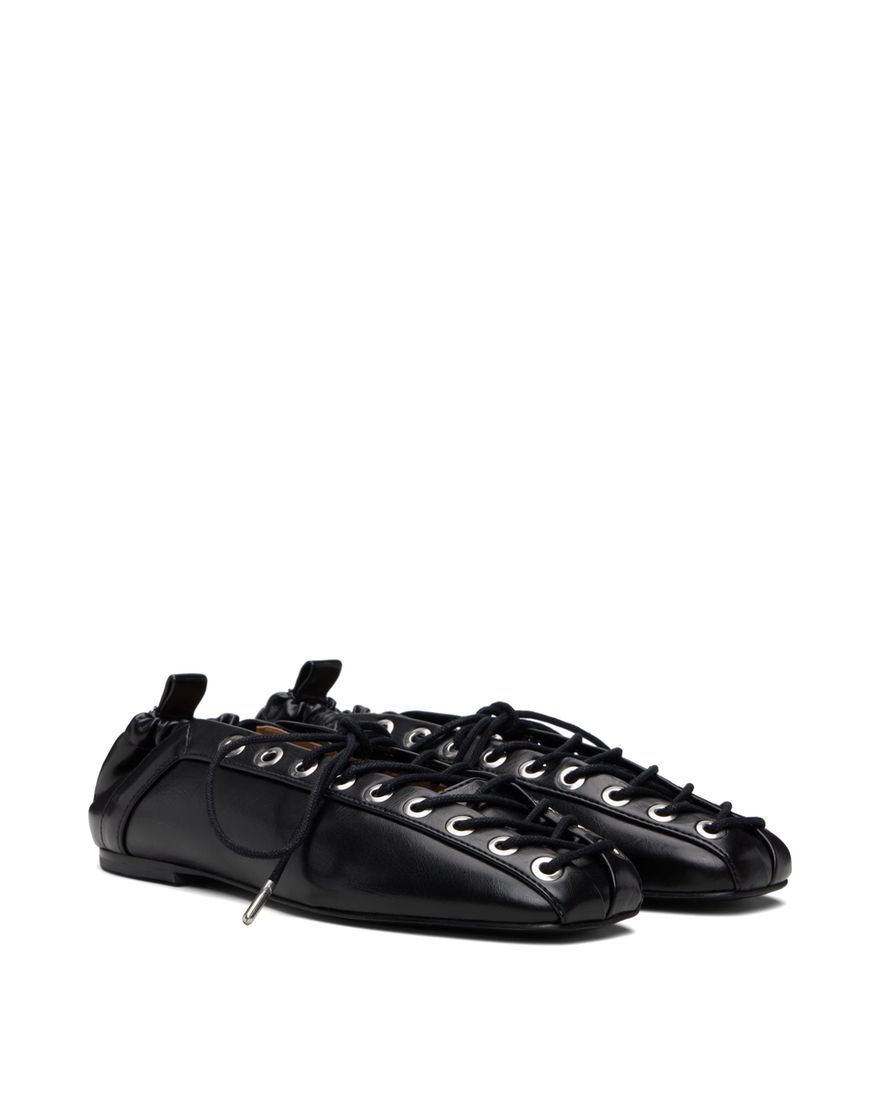
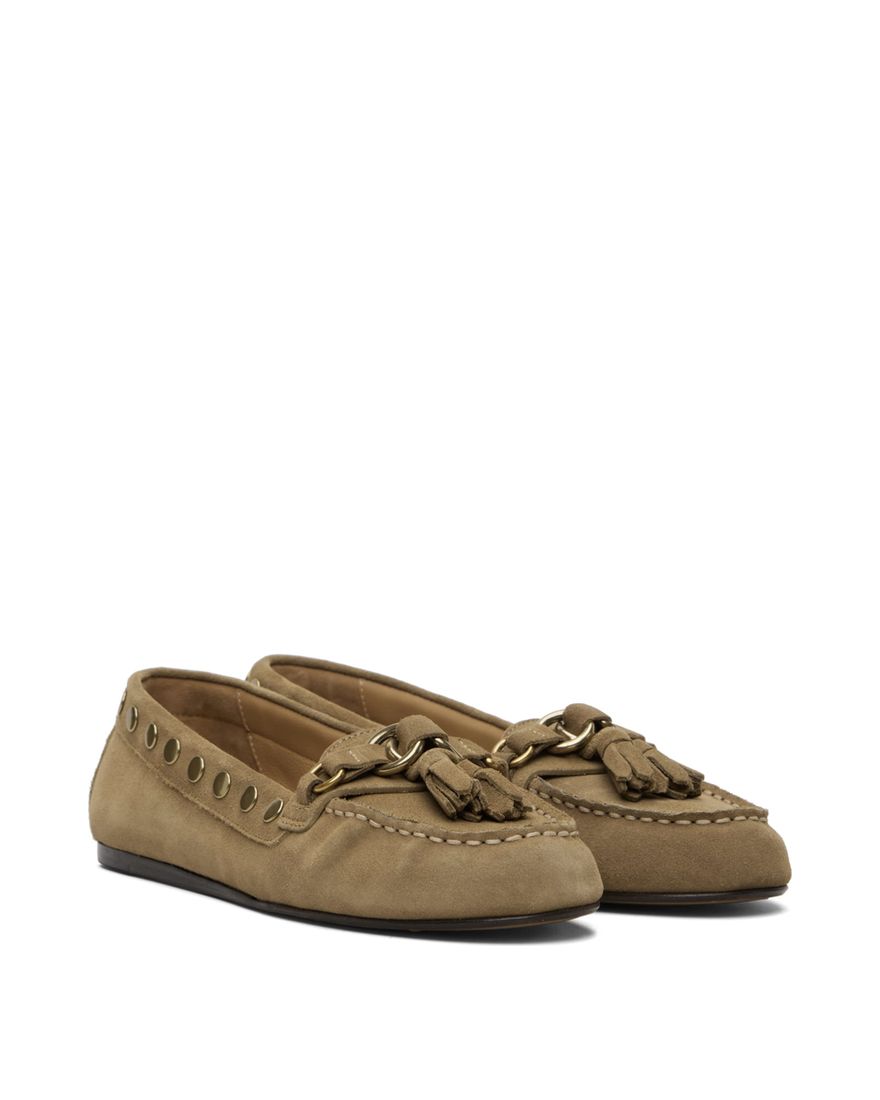
Women's collections spanning everyday flats and classic shoes, sandals, ankle boots and knee-high boots.

Ballet flat · Loafer · Moccasin · Oxford · Derby · Court shoe · Mary Jane · Sandal · Slide · Clog · Espadrille · Sneaker · Boot · Ankle boot · Chelsea boot · Knee-high boot

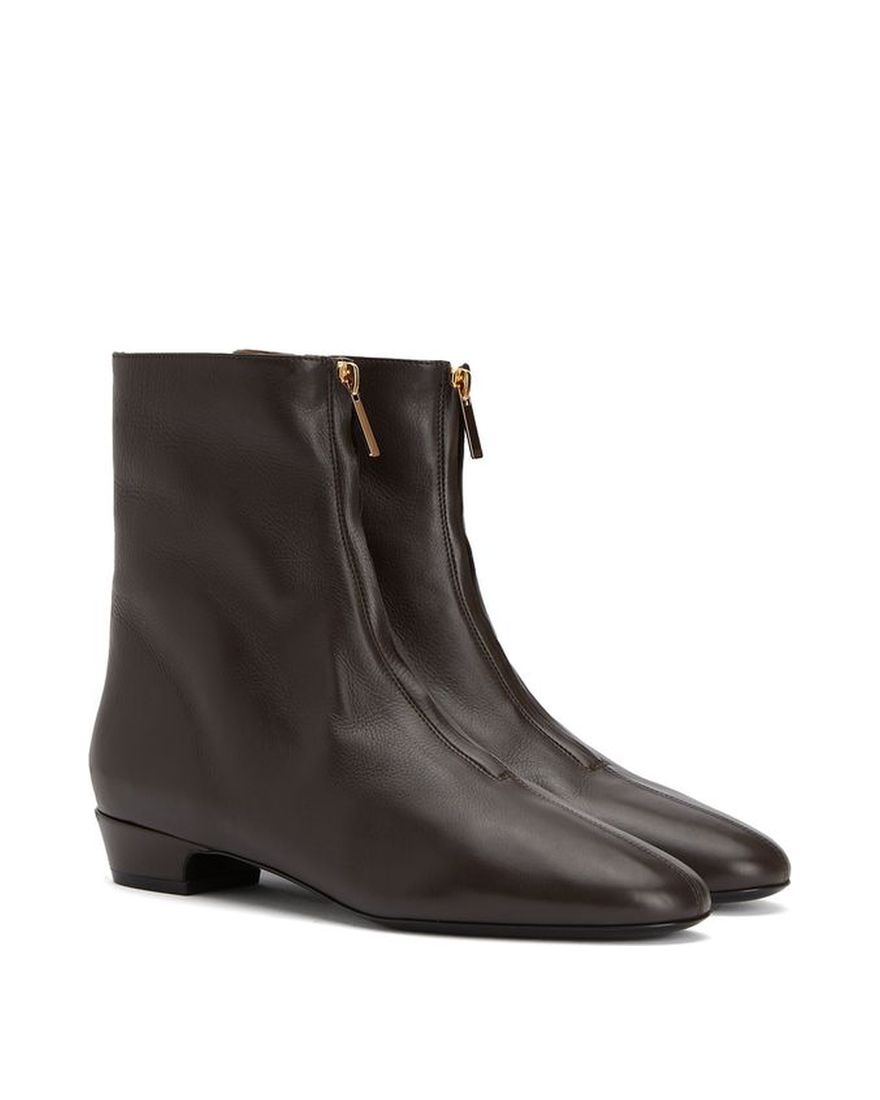
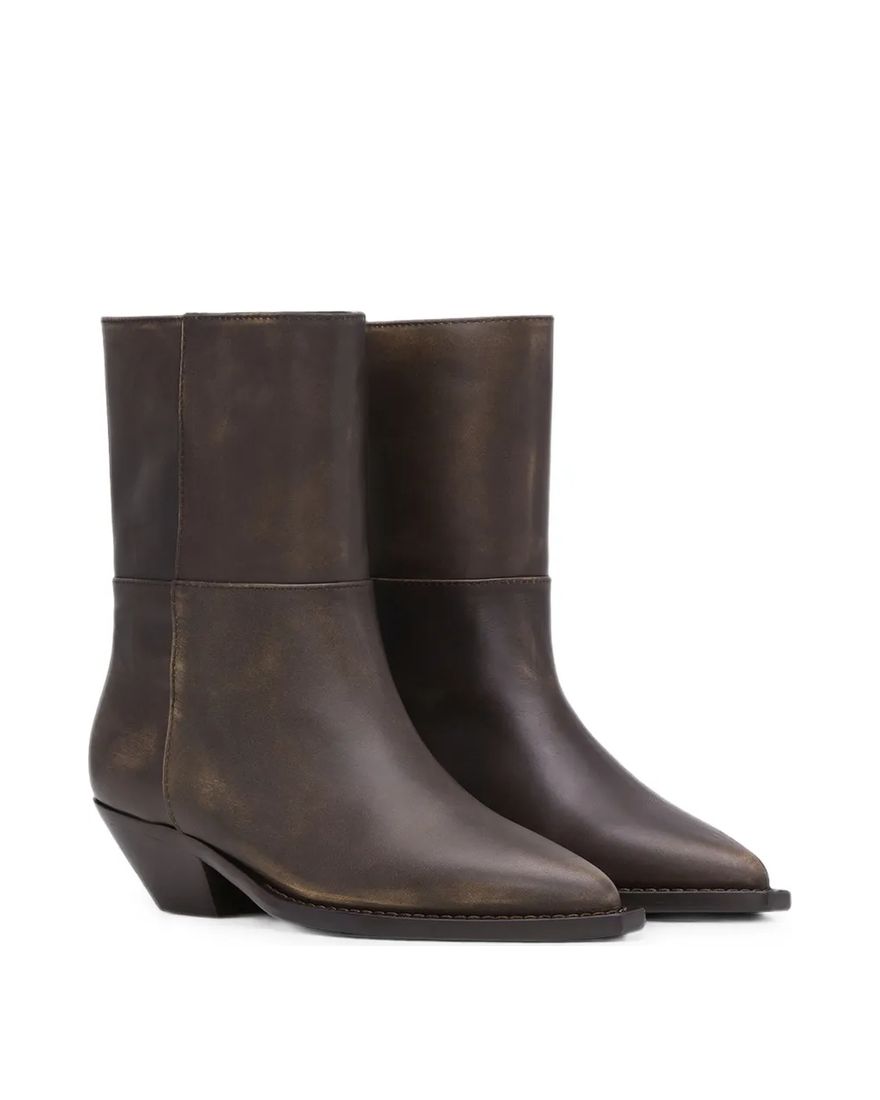
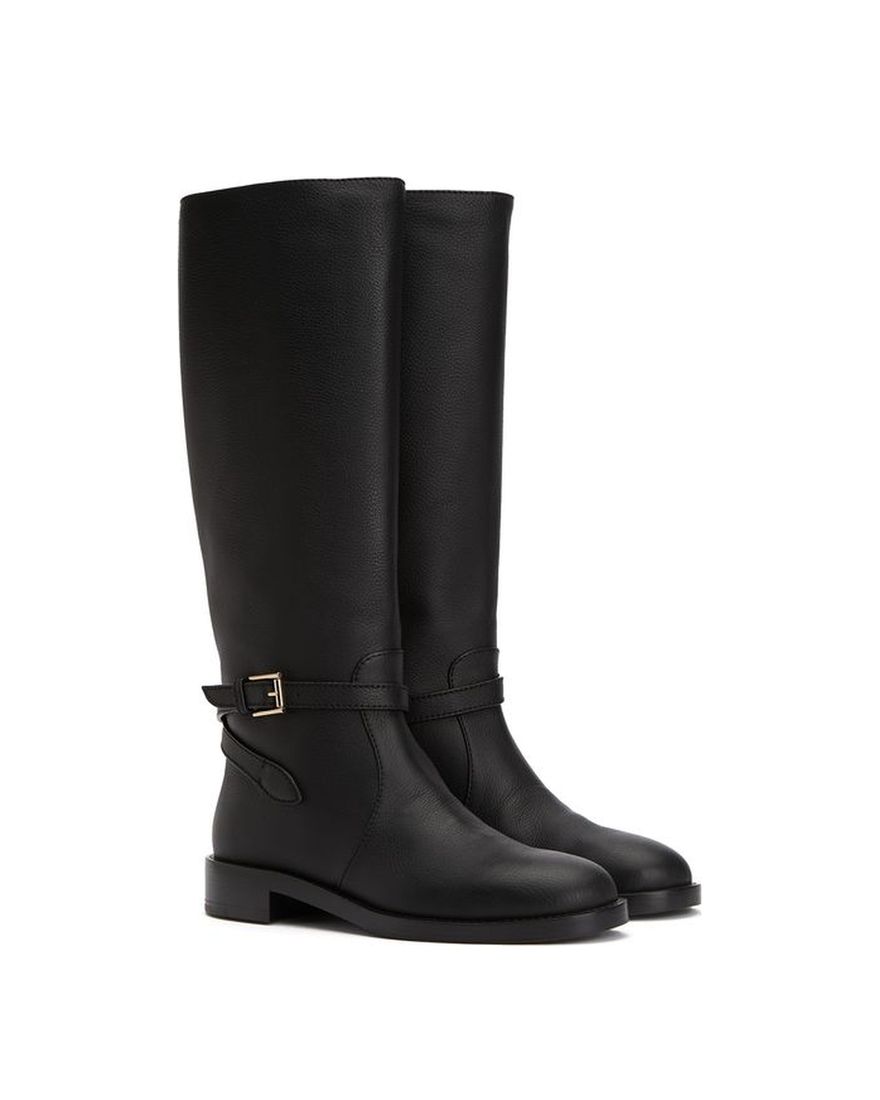
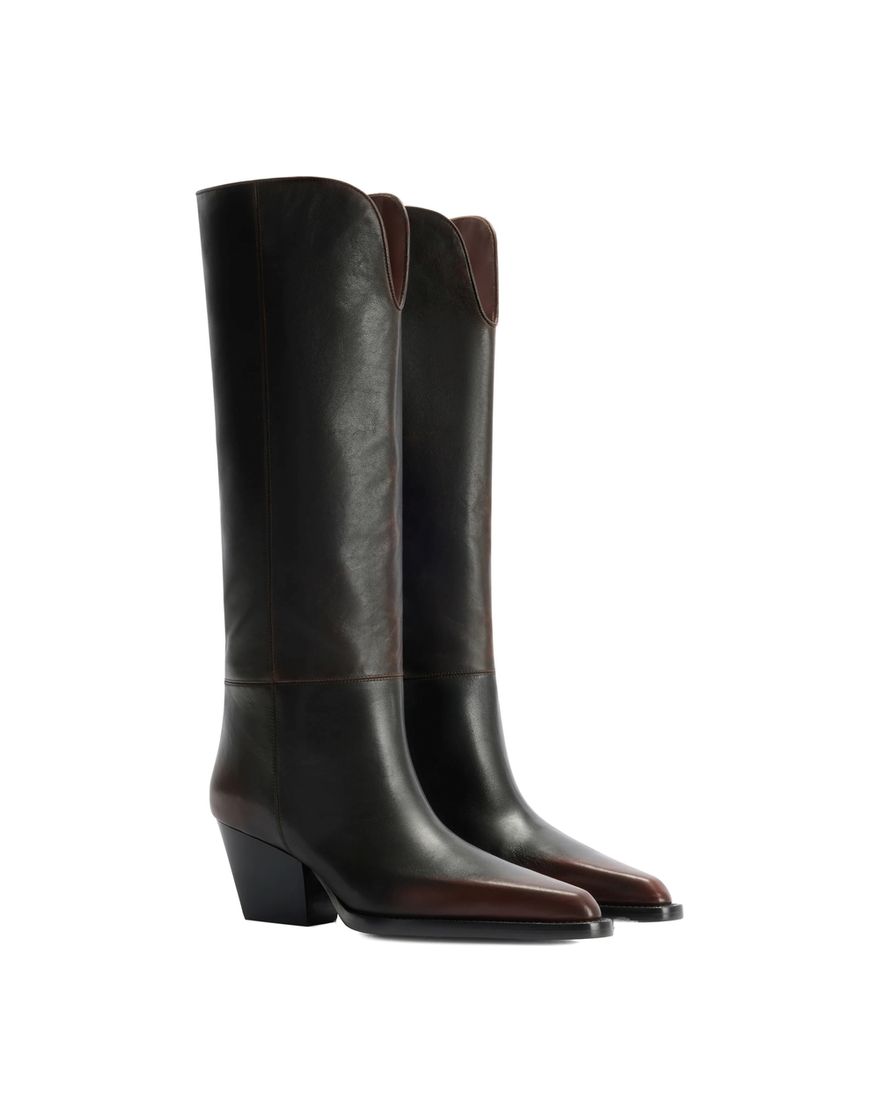
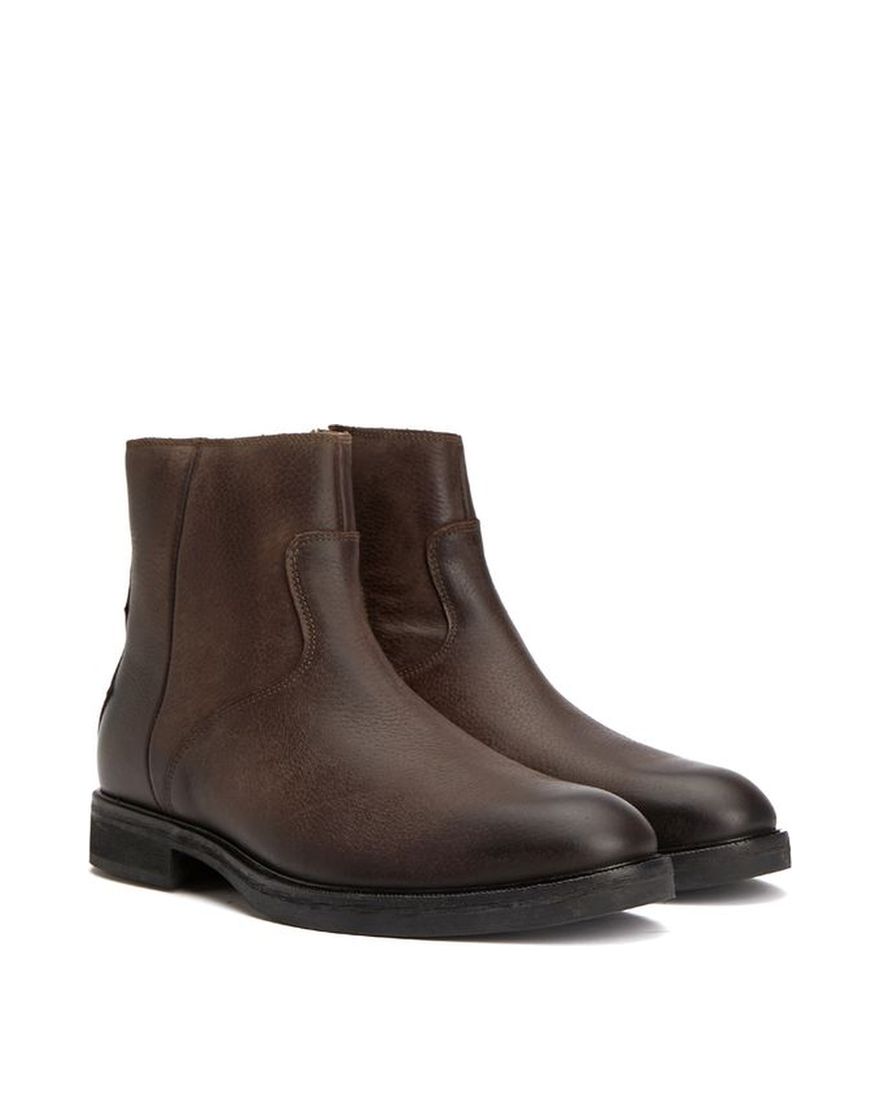
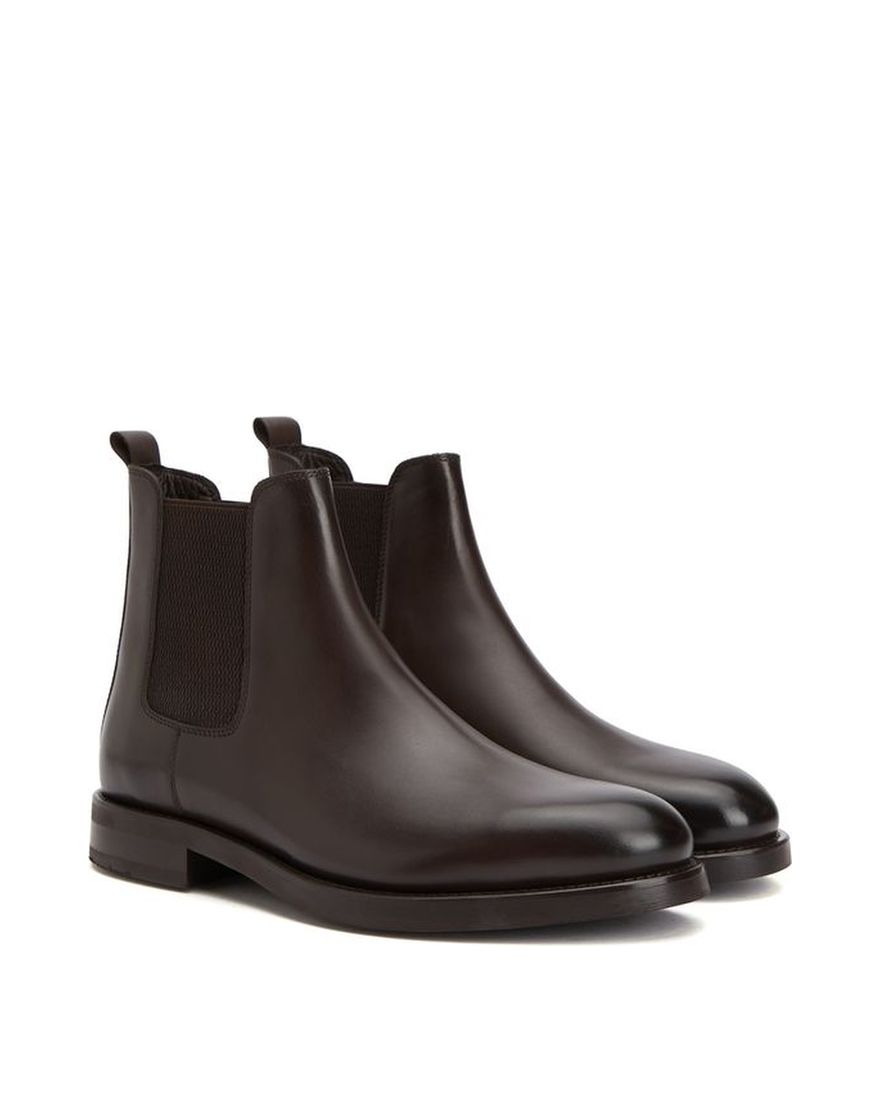
Women's lace-up leather ballet flat Women's suede tassel moccasin Women's leather ankle boot with front zip Women's Western-style leather ankle boot Women's black leather knee-high boot with buckle Women's Western-style leather knee-high boot
02

Men

38–45

Men's collections spanning classic lace-ups, loafers and moccasins, everyday shoes and boots.

Oxford · Derby · Brogue · Monk strap · Loafer · Driving shoe · Moccasin · Boat shoe · Espadrille · Sandal · Slide · Sneaker · Boot · Combat boot · Chelsea boot · Chukka

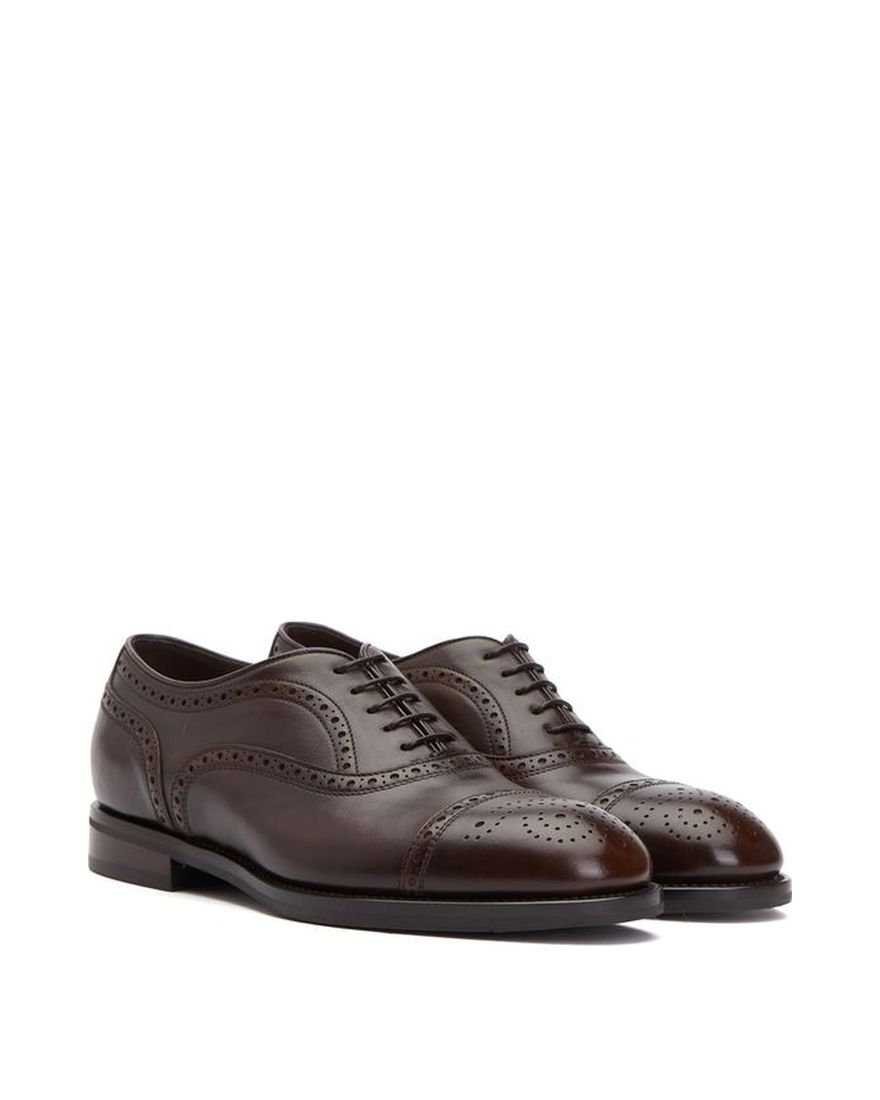
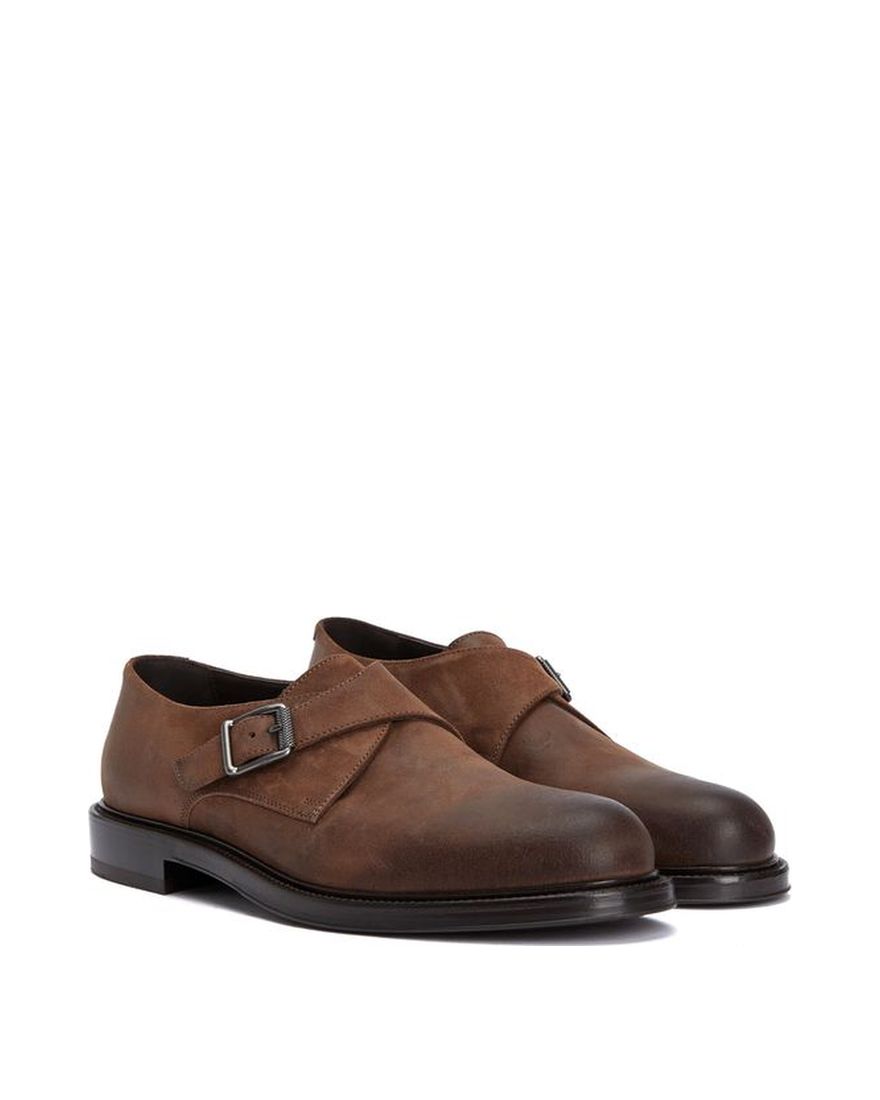
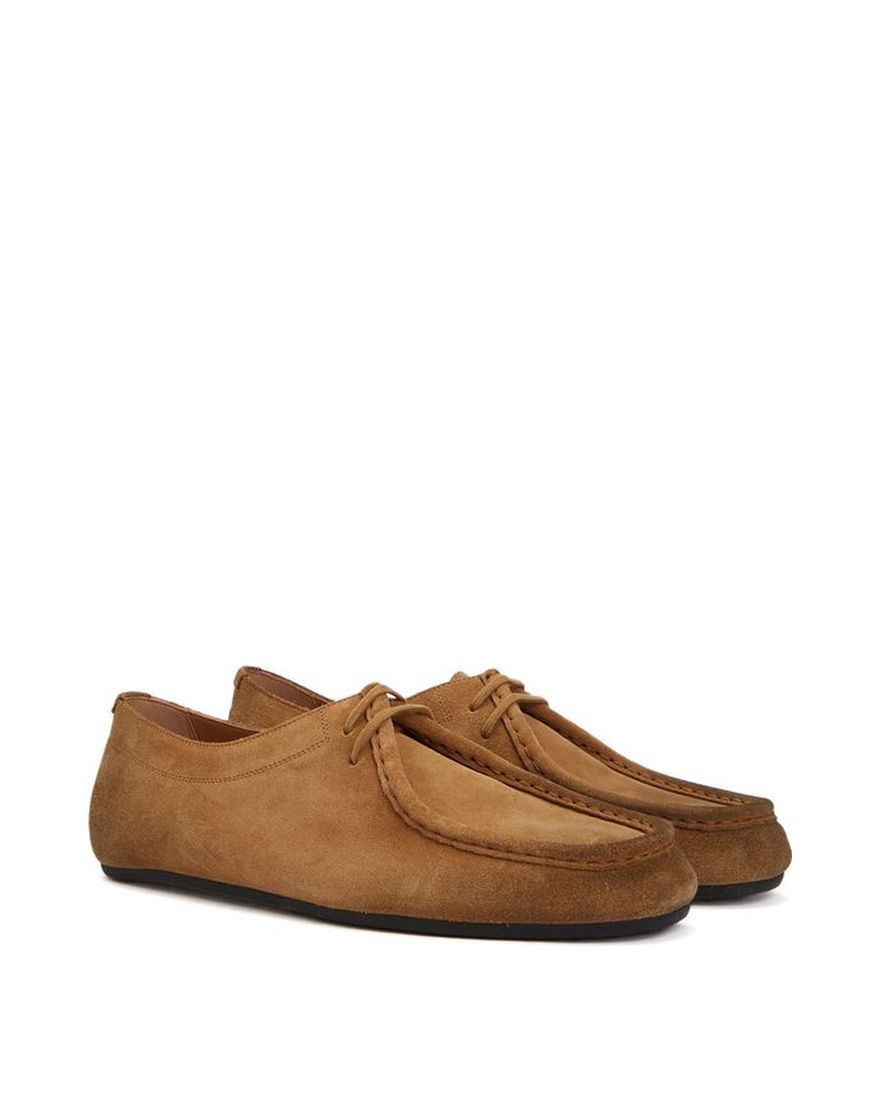
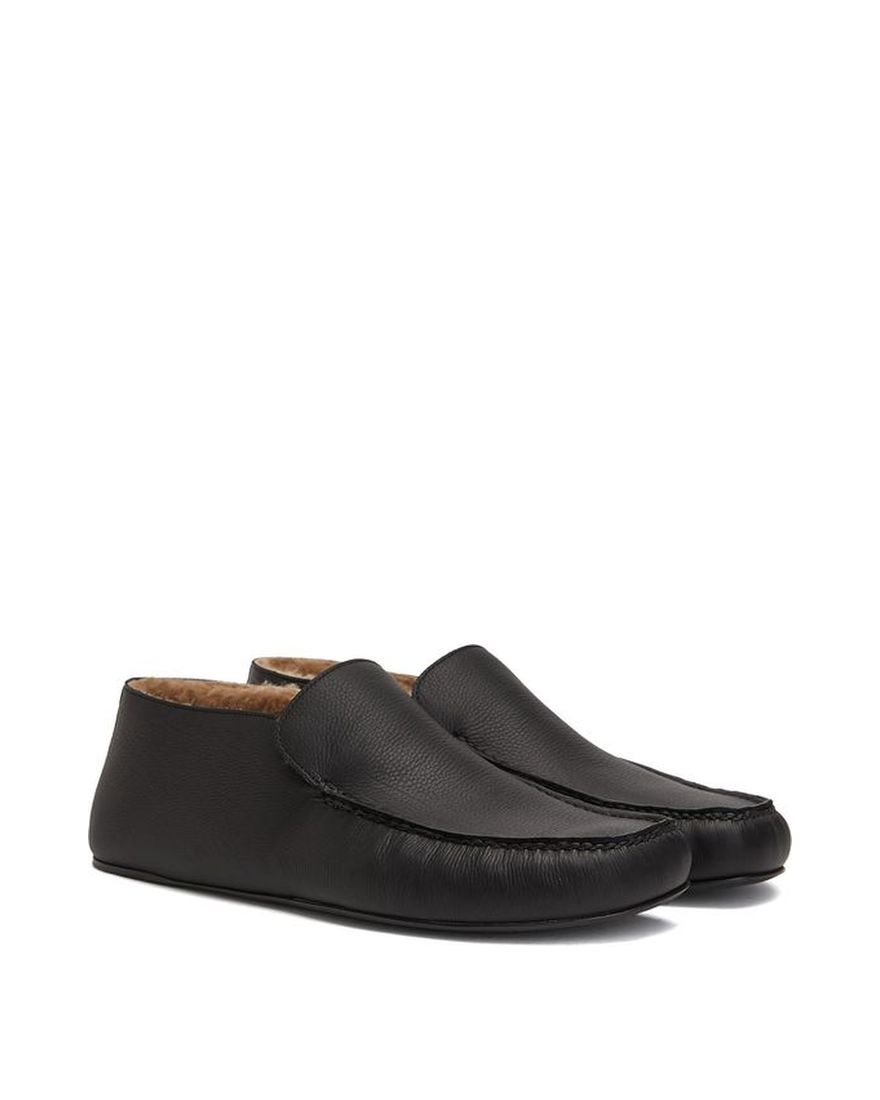
Men's leather Oxford with brogue detailing Men's nubuck monk strap Men's lace-up suede moccasin Men's leather moccasin Men's nubuck zip ankle boot Men's leather Chelsea boot
03

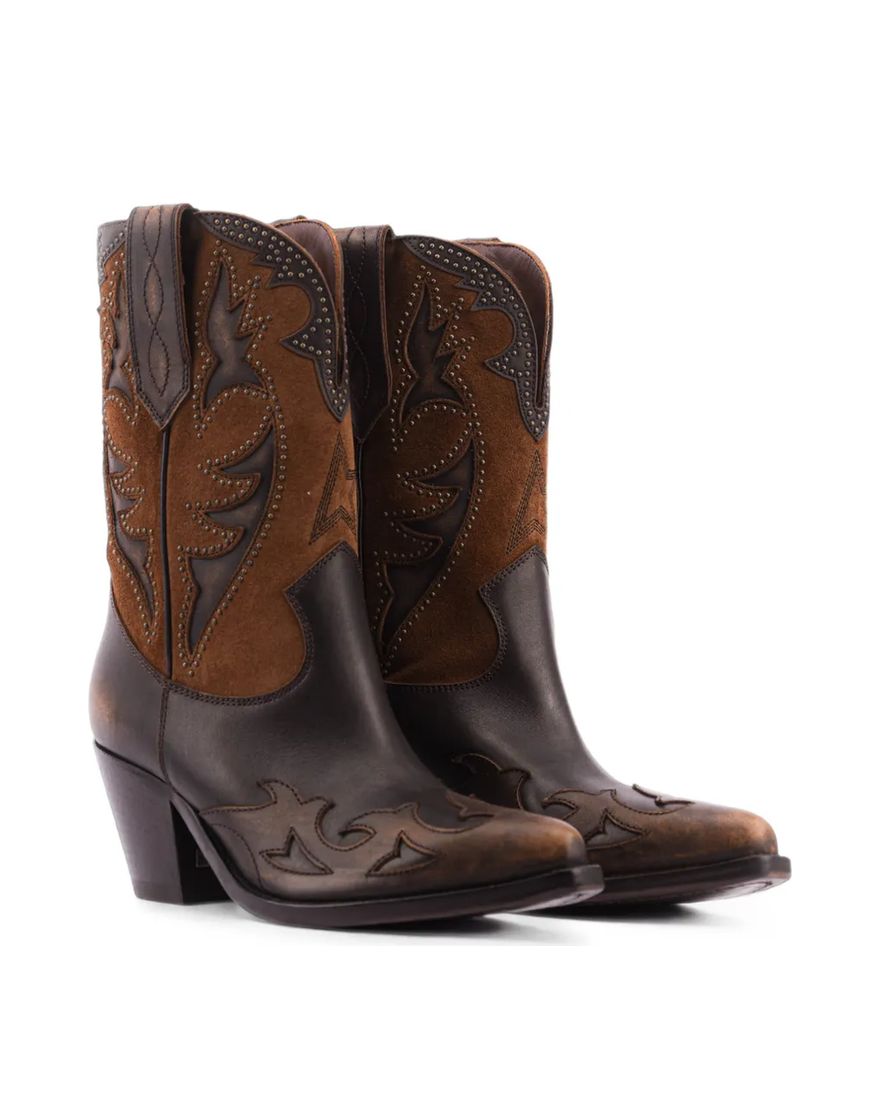
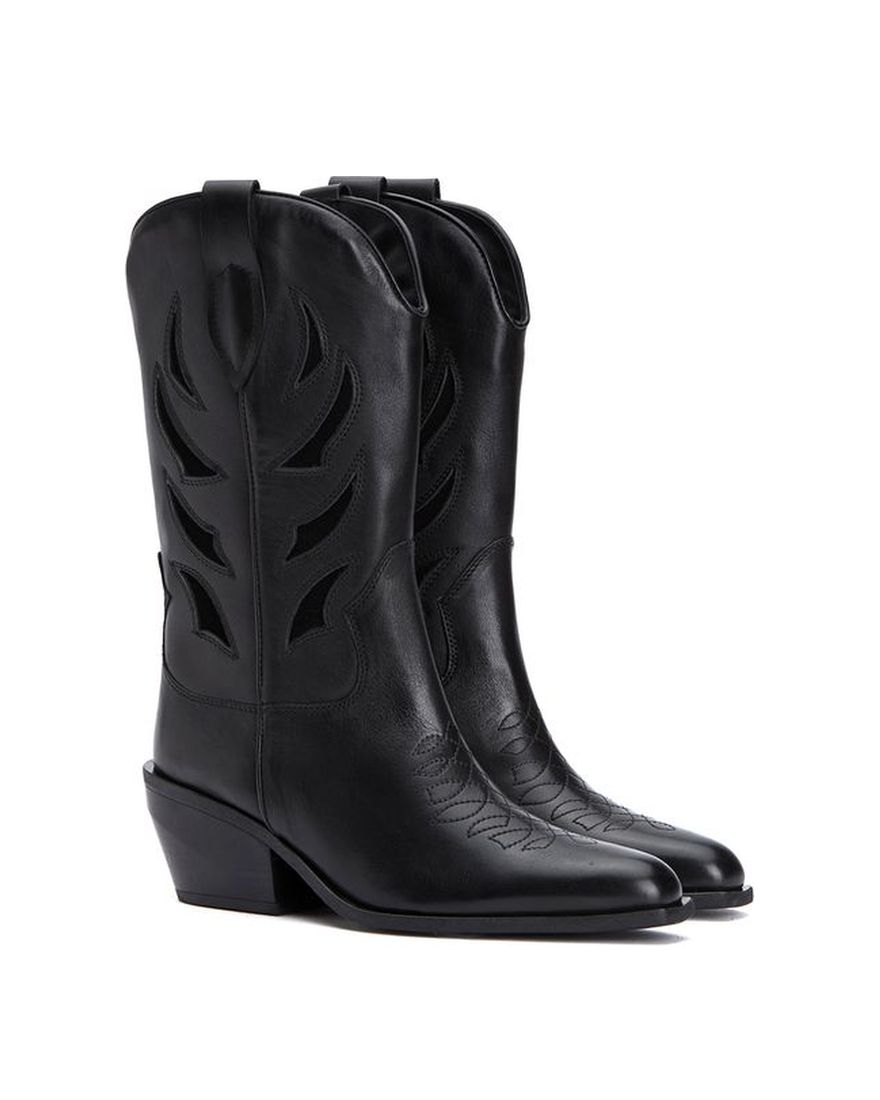
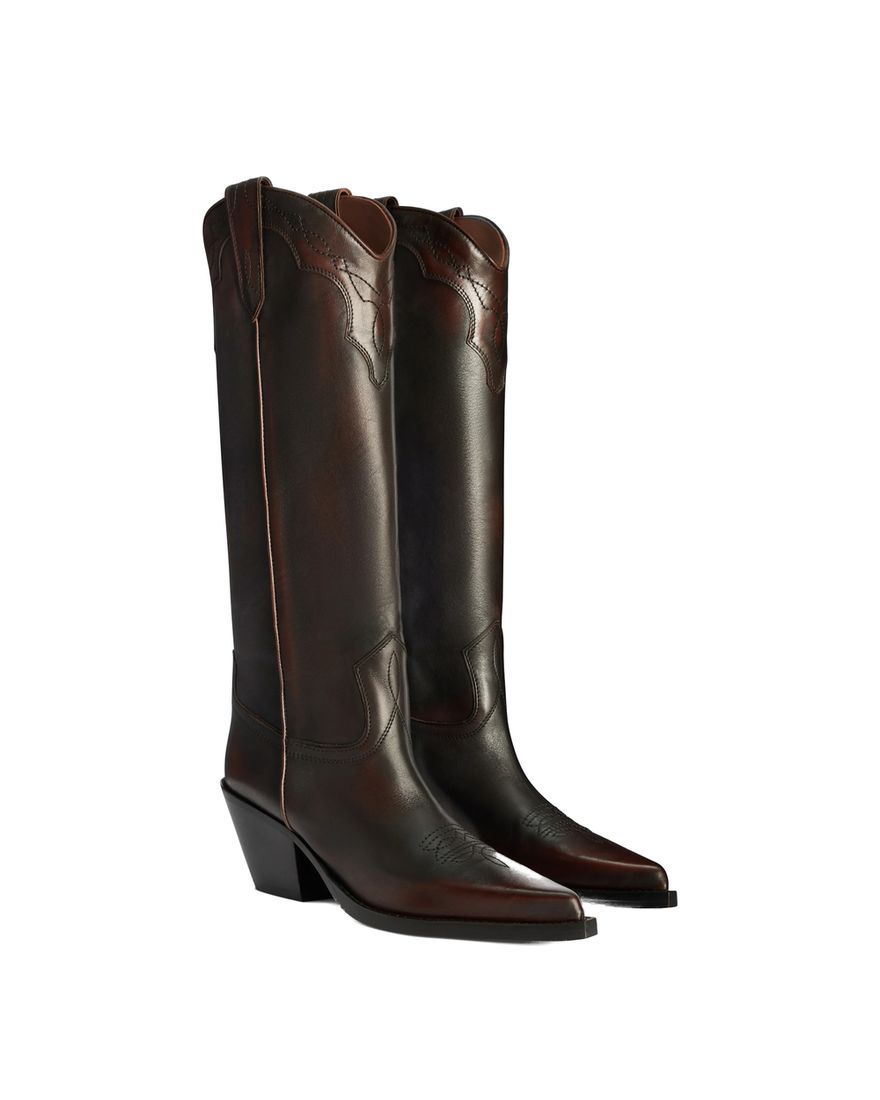
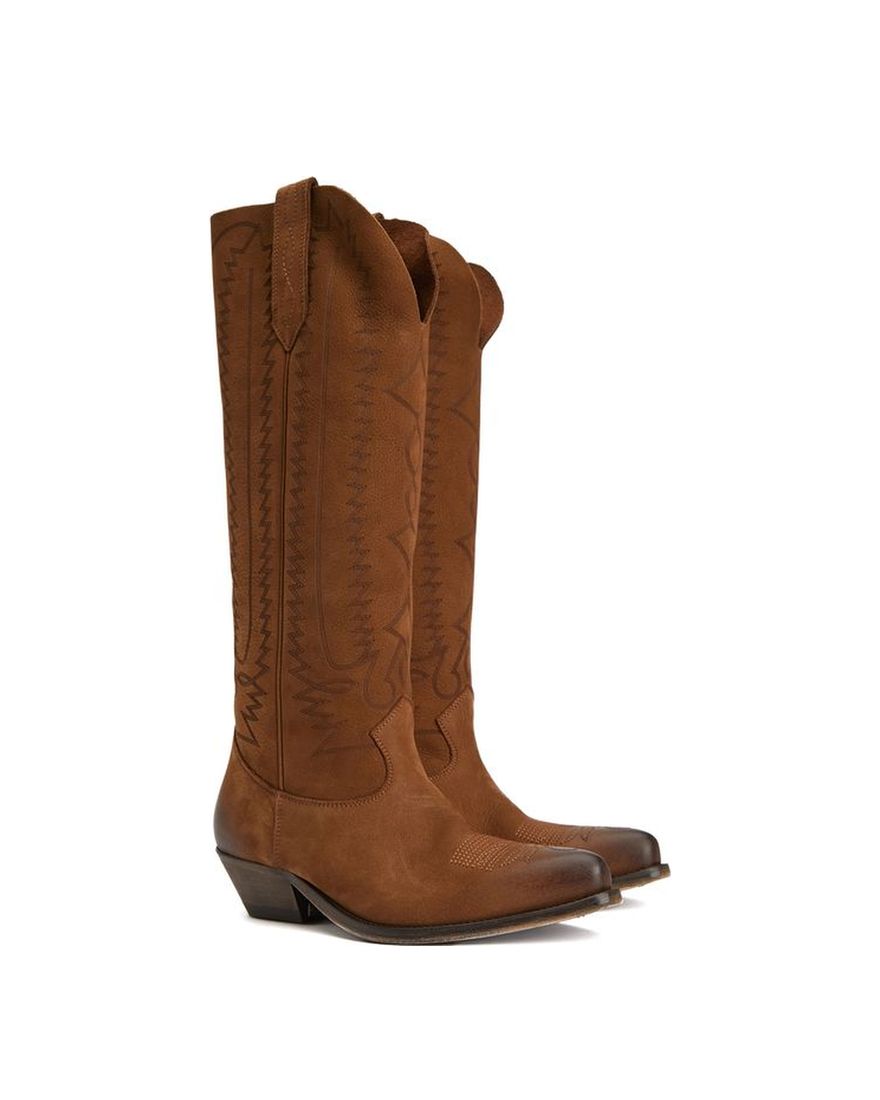
Western ankle & tall boots

Specialism

ETOR's signature specialism, where handcraft decides every detail.

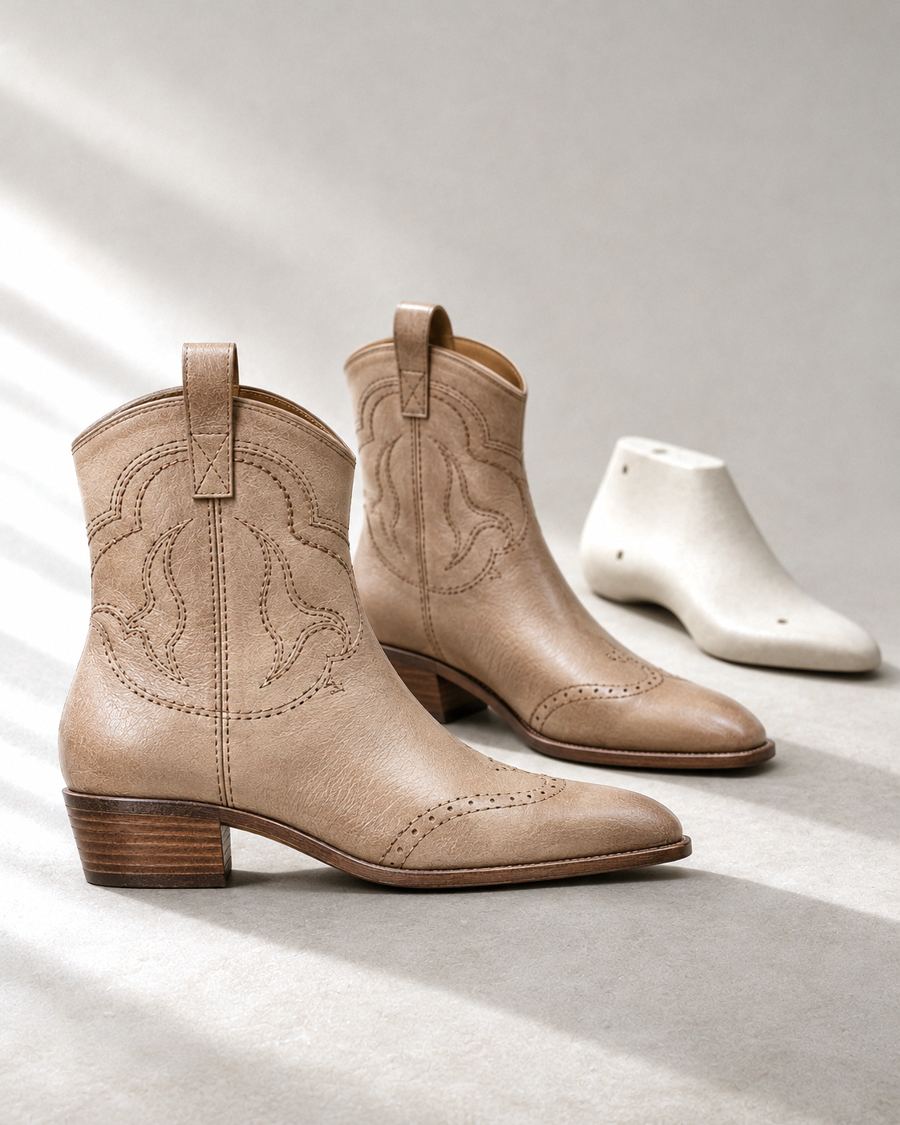
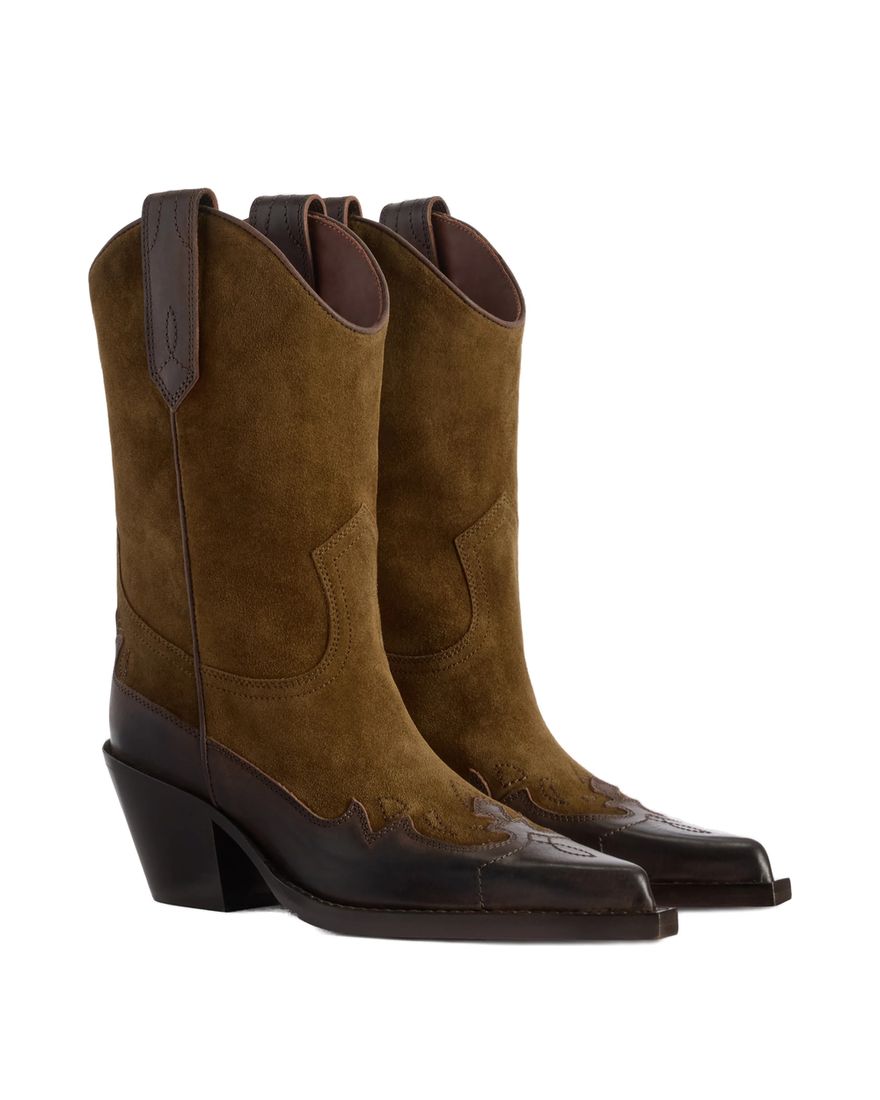
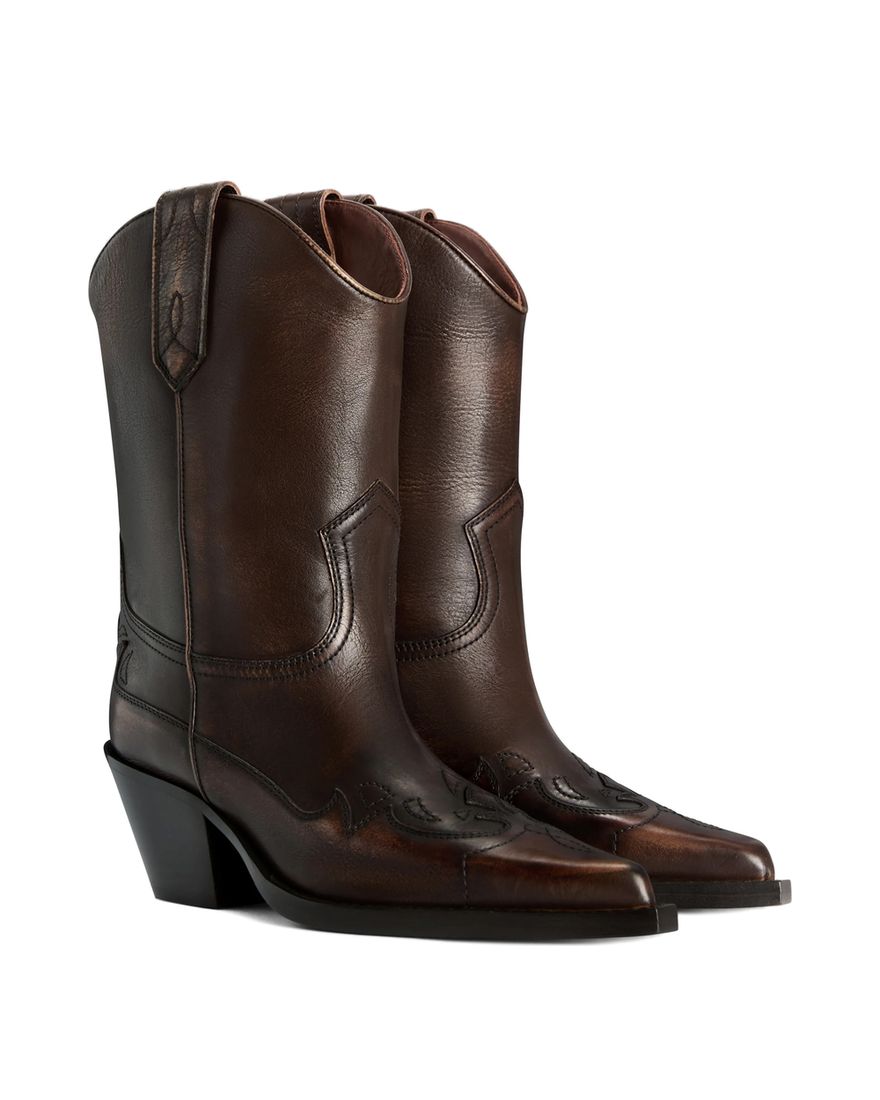
Hand-cut upper components, multi-row decorative stitching on the shaft, pair-to-pair symmetry checks and hand-set metal hardware.

Western ankle boots · Knee-high Western boots

Western boot with suede shaft and leather toe Antiqued leather Western boot Studded Western boot with suede and leather overlays Black leather Western boot with cut-out pattern Knee-high leather Western boot with decorative stitching Knee-high suede Western boot with embroidered stitching

04 — Process

From concept to shipment, in eight stages.

Development and manufacture run through eight stages, each closed out with defined technical work and written documentation.

At the three stages marked in orange, nothing moves forward without our partner's written approval.

Written sign-off stageProduction stage
  1. Stage 01 / 08Written sign-off
    01

    Briefing & confidentiality

    We discuss the scope of the model, the target market, its intended use and your expectations. Confidentiality is secured before any technical file changes hands.

    Deliverable: Non-disclosure agreement

    Technical
    • Defining the model scope and product categories
    • Defining the target market and conditions of use
    • Reviewing the sketch, technical drawing or reference pair
    Legal & documentation
    • Signing a non-disclosure agreement (NDA)
    • Bringing all shared design and technical files under the NDA
  2. Stage 02 / 08
    02

    Technical review & preliminary costing

    We review the design for materials, construction and cost, and propose alternatives where needed. A preliminary costing is shared at this stage; the final price is fixed once materials and trims have been confirmed on the sample.

    Deliverable: Technical assessment and preliminary costing

    Technical
    • Selecting materials and construction method
    • Assessing the last: new development or adaptation
    • Defining the size run and calculating the preliminary costing
    Legal & documentation
    • Sharing the preliminary costing in writing
    • Agreeing ownership of lasts and design rights in writing
  3. Stage 03 / 08
    03

    Last

    The last, which sets the shape and proportions of the model, is either developed from scratch or adapted from an existing last to suit our production line.

    Deliverable: Last

    Technical
    • Defining toe shape, heel height and key measurements
    • Matching the last to the sole construction and upper
    • Grading across the size run
    Legal & documentation
    • Lasts developed for a brand are used exclusively for that brand
  4. Stage 04 / 08
    04

    Prototype

    The first pair is made, and its shape, fit and proportions are assessed in the actual materials. Any material or trim that does not perform as intended is replaced at this stage.

    Deliverable: Prototype pair

    Technical
    • Pattern making and cutting of upper components
    • Lasting with the selected construction method
    • Checking shape, fit and proportions
    • Validating the selected materials and trims in use
    Legal & documentation
    • Recording prototype review notes
    • Confirming any material or trim changes, and their cost impact, in writing
  5. Stage 05 / 08Written sign-off
    05

    Fitting & sample approval

    After the fitting, the necessary adjustments are made and the final sample is submitted for approval.

    Deliverable: Approved sealed sample

    Technical
    • Last and upper adjustments following the fitting
    • Making the sample in final materials, colours and trims
    • Checking intermediate sizes across the run
    Legal & documentation
    • Written approval of the sample
    • Fixing the final unit price against the approved sample
    • Retaining the approved sample as the production reference pair
  6. Stage 06 / 08Written sign-off
    06

    Technical specification & order

    Materials, measurements, colours and quality criteria are set down in writing, and the order is confirmed against this document.

    Deliverable: Approved technical specification and order

    Technical
    • Preparing the bill of materials, colours and components
    • Defining measurement tolerances and quality criteria
    • Specifying labelling and packaging
    Legal & documentation
    • Mutual sign-off of the technical specification
    • Order confirmation and pro forma invoice stating final price, payment and delivery terms
    • Confirming the delivery date and delivery terms
  7. Stage 07 / 08
    07

    Bulk production & quality control

    Production follows the approved sample and technical specification, with checks at every station from cutting to lasting.

    Deliverable: Test reports and quality records

    Technical
    • Laboratory testing of materials before purchase
    • In-line checks at cutting, closing, lasting and finishing
    • Final inspection against the approved sample and specification
    Legal & documentation
    • Archiving laboratory test reports
    • Maintaining quality control records
  8. Stage 08 / 08
    08

    Labelling, packaging & shipment

    Products are finished to the brand's own packaging and labelling requirements, then cartoned, palletised and shipped.

    Deliverable: Shipping documents

    Technical
    • Applying branded boxes, barcodes and product labels
    • Cartoning and palletising
    • Pre-shipment check of quantities and packaging
    Legal & documentation
    • Issuing the commercial invoice and packing list
    • Preparing certificates of origin and customs documents
    • Meeting the labelling requirements of the destination market

05 — Facility & capacity

From raw leather to finished pair, under one roof.

Production takes place at our 6,000-square-metre integrated facility in the Ikitelli Organised Industrial Zone, Istanbul. Established in 1998 together with the Italian engineer Enrico Motta and equipped with machinery sourced from Italy, the facility brings cutting, closing, lasting and finishing under one roof, all governed by a single production plan. As no stage is subcontracted, every model remains under the supervision of the same team, from the first cut to the final inspection.

With a workforce of more than 150, we have a daily production capacity of 2,000 pairs. Years of working exclusively for export markets have made two principles fundamental to the way we produce: consistent quality from the first pair to the last in high-volume orders, and strict adherence to delivery dates.

01
Cutting
Leather is cut according to the model's cutting plan and the natural characteristics of each hide.
02
Upper making
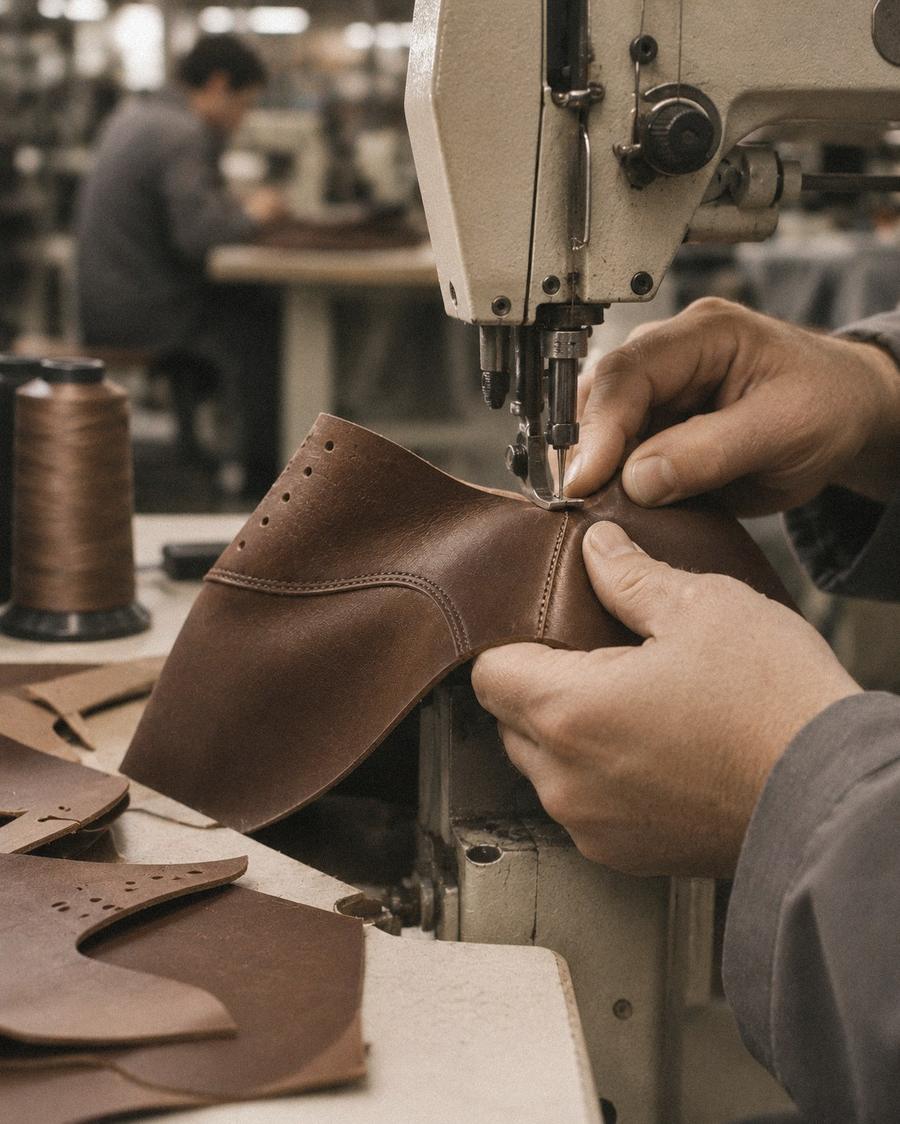
Cut components are assembled, stitched and prepared for lasting.
03
Lasting
The upper is pulled over the last and joined to the sole.
04
Finishing
Surface finishing, final inspection and packaging.

06 — Technical capabilities

Technical capabilities, at a glance.

The options below set out the principal technical capabilities considered during development. The final build of each model is fixed by the approved sample and technical specification.

01
Leather & upper
Nappa · Suede · Nubuck · Patent · Embossed leather · Burnished leather
02
Last & shape
Round · Bulbous · Oval · Almond · Blunt · Chisel · Square · Soft square · Semi-pointed · Pointed · Embellished pointed · Open toeSize runs: Women's 35–42 · Men's 38–45
03
Lining & insole
Leather lining · Leather sock lining · Comfort layer · Insole board
04
Sole & heel
Rubber · Neolite · EVA · LeatherHeels: Flat · Low · Mid — Stacked leather · Covered · Top lifts: Rubber · Leather · Neolite
05
Construction
In-house: Cemented · Strobel · Blake · MoccasinBy project: California · Blake Rapid · Goodyear welted · Norwegian welted · Stitchdown
06
Colour & finishing
Matte · Gloss · Distressed · Hand-burnished
07
Branding & trims
Hot foil stamping · Embossing · Metal logo plate · Printed lining · Branded outsole · Buckles · Zips
08
Packaging & labelling
Branded shoebox · Coated-paper wrap · Dust bag · Barcodes and product labels · Shipping carton · Palletising

07 — Material safety

With every order, independent laboratory analysis.

Before purchase, every material used in production, leather, lining leather and trims above all, is tested at two independent laboratories for carcinogenic and harmful chemical substances.

Because our products sit in direct contact with the foot, this protects the wearer's health and meets the chemical-safety requirements of our export markets. Testing is carried out on every order, whether or not our partner asks for it.

Acceptance

Materials enter production only once they have passed testing.

Regulation

Compliance with the EU REACH Regulation (Registration, Evaluation, Authorisation and Restriction of Chemicals).

Reporting

Test reports are available to our partners on request.

Laboratories, test methods & acceptance limits

08 — Confidentiality

Designs stay with the brands that own them.

Every partnership is conducted with the confidentiality of its designs and technical know-how fully protected.

  1. 01

    Non-disclosure agreement

    No design or technical file is shared with our teams until a non-disclosure agreement is in place.

  2. 02

    Brand-exclusive lasts and models

    Lasts and models developed for one brand are never offered to another.

  3. 03

    Experience in brand protection

    Years spent defending our own brands against counterfeits shape the care we take of our partners' intellectual property.

Frequently asked questions

About working with us.

01What should be prepared for an initial meeting?

Model or reference images, target quantities, material expectations and the anticipated delivery date allow us to assess your request more quickly and accurately. A sketch, technical drawing or reference pair is also a sufficient starting point.

02In which languages can we communicate?

Our sales team works in Turkish, English, Russian and Romanian.

03Do you accept limited-quantity production orders?

Order volumes are agreed with each partner on a case-by-case basis, reflecting the scope of the project and the technical requirements of the model.

04Can production be carried out on a partner's proprietary lasts?

Partner-supplied lasts are assessed for dimensional accuracy and for compatibility with the specified materials, upper construction and sole unit. Any technical modifications required are made without compromising the integrity of the design.

05How are sampling and production lead times determined?

Lead times are determined by the model's construction, the availability of the last and the scope of the order, and are confirmed in writing at quotation stage.

06Do you accommodate third-party inspections?

Third-party inspection agencies nominated by the partner may conduct in-line and pre-shipment inspections at our facility. The scope and scheduling of each inspection are agreed on a project-by-project basis.

07Where can existing collections be viewed?

Our collections are on display at our showroom in Gedikpasa. The showroom is open to visitors without an appointment on weekdays; on Saturdays, meetings are held by appointment.

08Can a visit to the production facility be arranged?

Visits to our manufacturing facility in Ikitelli are arranged by prior appointment.

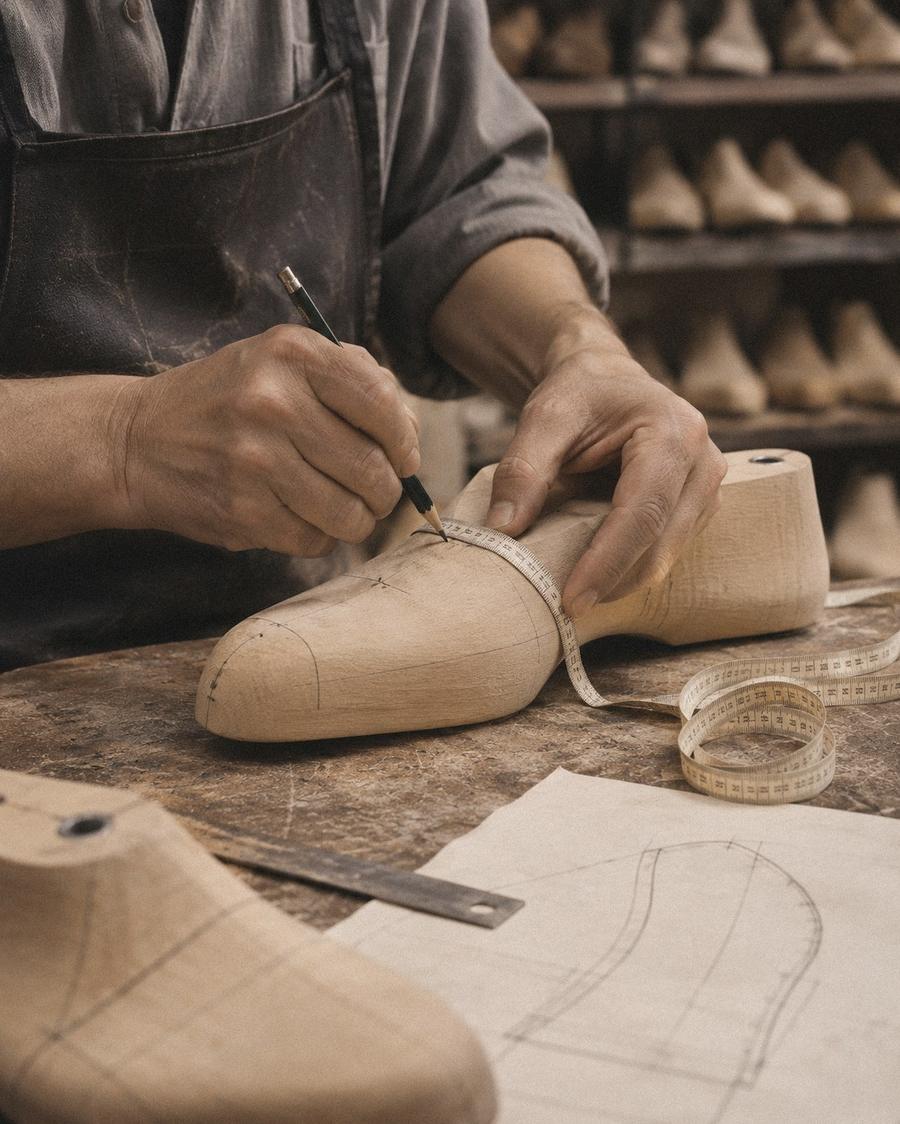
A craftsman taking measurements on a wooden last
Closing a leather upper on a sewing machine
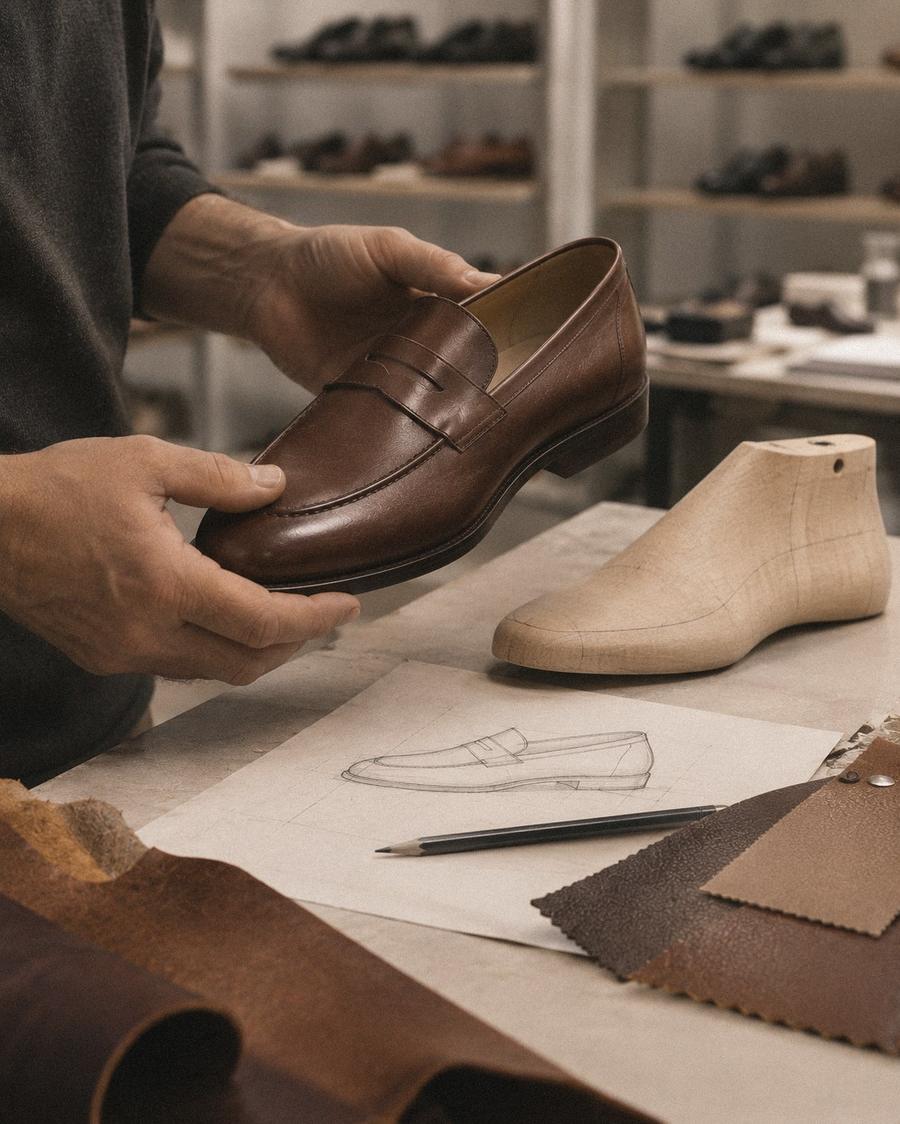
A sample shoe with its last and technical drawing
ETOR · Est. 1988

We would be glad to review your project with you.

Get in touch →